

Views: 0 Author: Site Editor Publish Time: 2025-10-21 Origin: Site


Are you tired of running out of hot water or dealing with a bulky water heater? A tankless water heater might be the solution you need. Unlike traditional water heaters that store water, tankless systems heat water instantly as it’s needed, saving energy and space. In this article, we will guide you through the process of installing a tankless water heater, whether you choose a gas or electric model.
Tankless water heaters heat water directly without the need for a storage tank. When a faucet is turned on, the flow sensor inside the heater detects water movement, triggering the heating elements to activate. These heaters come with either a gas burner or electric elements that heat the water as it passes through the system. The water is heated instantly, ensuring you get the desired temperature without waiting for a tank to fill up.
For gas-powered tankless water heaters, cold water flows through a heat exchanger where it is heated by a burner fueled by either natural gas or propane. The unit uses a combustion chamber to burn the gas and heat the water, and the exhaust gases are vented outside.
For electric tankless water heaters, the water flows through an electrical element that heats the water. These models don’t require venting since they don’t produce combustion gases, making them simpler to install but limited in capacity.
When choosing a tankless water heater, homeowners have the option to choose between gas-powered and electric models.
Gas-powered Tankless Water Heaters
Gas-powered models are often the best choice for large households or homes with high hot water demands. These units provide a higher flow rate, which means more hot water can be delivered at a faster rate. However, installation is more involved, as it requires a gas supply, proper venting, and ensuring the appropriate burner size. It’s important to check whether the gas line is adequate for the increased demand, and it might be necessary to upgrade the gas pipe.
Electric Tankless Water Heaters
Electric tankless water heaters are typically simpler to install and are a great choice for smaller homes or apartments. They are more energy-efficient than gas models in terms of upfront cost and operation. However, electric units may struggle to meet the hot water demands of larger households, especially if multiple fixtures require hot water simultaneously. Moreover, they typically have lower flow rates than their gas counterparts, so they might not be the ideal choice for large homes with multiple bathrooms and kitchens.
Tankless water heaters are generally more energy-efficient than traditional tank heaters. This is because they only heat water when it's needed, unlike traditional models that continuously keep a large tank of water hot. According to Energy.gov, electric tankless heaters can be 24%–34% more energy-efficient than conventional storage tank heaters. For homes that use a lot of hot water, you could save between 8% and 14% on your energy bills.
The energy savings come from the fact that tankless units don’t need to heat and reheat water that isn’t being used. While tankless water heaters cost more upfront, the savings over time typically offset the higher initial price. Additionally, since they have no tank that can rust, they generally have a much longer lifespan, sometimes lasting up to 20 years or more.
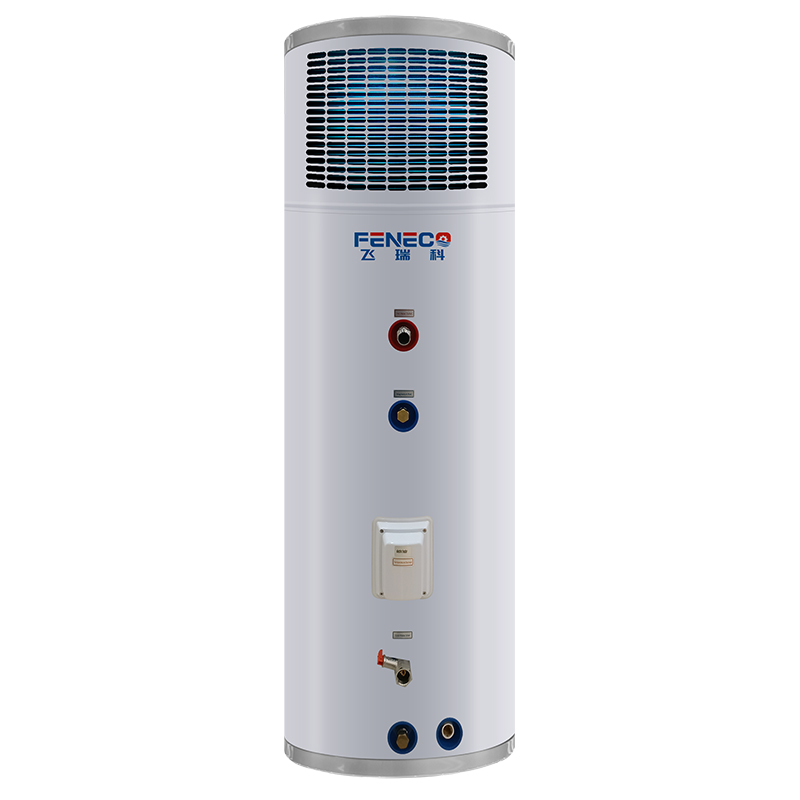
Before installing a tankless water heater, it’s crucial to select the right model for your needs. Consider the following factors:
Flow Rate:
Flow rate is the maximum amount of hot water a unit can provide at any given moment. It is measured in gallons per minute (GPM). It’s important to select a unit with a flow rate that can meet your peak demand. For example, if you have a shower running, the dishwasher, and the washing machine all in use simultaneously, the flow rate of the unit must be sufficient to handle the load.
Fuel Type:
Your choice between gas and electric models will largely depend on the energy source available at your home. Gas models generally offer higher flow rates and can handle larger hot water demands, making them ideal for bigger homes. Electric models are often easier to install and may be more cost-effective for smaller homes or apartments.
Size and Capacity:
The size of the water heater depends on how much hot water your household needs. A family of four may need a larger unit than a single person. When in doubt, it’s usually better to choose a slightly larger model to ensure you never run out of hot water.
Energy Efficiency:
Look for units that have earned ENERGY STAR certification, which ensures they meet strict energy efficiency guidelines. ENERGY STAR models can be up to 50% more energy-efficient than standard models, and in many regions, you may qualify for rebates for installing such models.
Installing a tankless water heater requires several tools and materials. These include:
Pipe Wrenches: To tighten plumbing connections.
Drill/Driver: To create holes for mounting the unit.
Keyhole Saw: For cutting through drywall or other materials.
Plumbing Materials: Copper or PEX pipes, fittings, and seals for connecting the water supply.
Electrical Components: For electric models, ensure you have the proper gauge wire and breakers.
Gas Lines and Fittings: For gas-powered models, you’ll need proper gas piping and connectors.
Vent Pipes: For venting combustion gases for gas-powered models.
Before you begin installing your tankless water heater, take the necessary safety precautions:
Turn Off Utilities:
Always ensure that the water, gas, and electricity are turned off before starting the installation. This will prevent any accidents or electrical shocks.
Proper Ventilation:
If you are installing a gas-powered tankless water heater, make sure that the unit is adequately vented to the outside. Failing to vent the unit properly can lead to dangerous gas buildup inside your home.
Compliance with Local Codes:
Always check your local building codes to ensure your installation meets all requirements. In many regions, specific standards apply to gas and electric installations, particularly regarding venting, gas line sizing, and electrical connections.
Setting Up the Gas Line:
The gas line must be properly sized to meet the demands of the tankless water heater. This often involves upgrading from a standard 1/2-inch line to a 1-inch line. Consult a professional to ensure your gas line can handle the increased load.
Venting the Heater:
Gas-powered units need to be vented to the outside, and the venting system must comply with local regulations. Use high-quality venting materials that are specifically rated for use with gas heaters.
Connecting Water Lines:
Ensure that the water supply is properly connected to the unit, including the cold water supply line and hot water output. Using high-quality piping and secure fittings is essential to prevent leaks.
Electrical Requirements:
Electric models often require a dedicated circuit and an appropriately sized breaker. For units that draw higher wattages (above 12 kW), you will likely need a 60-amp breaker. Always follow the manufacturer's instructions regarding amperage and wire gauge.
Connecting the Heater:
After running the appropriate wire, connect the unit to the power source, making sure it is grounded correctly. Electrical work can be dangerous if you’re not familiar with local electrical codes, so it’s often advisable to hire a professional for this part of the installation.
Choosing the Installation Location:
Choose a location for the unit that provides easy access to both plumbing and electrical connections. If it’s a gas-powered unit, ensure the venting path is clear. Typically, these units are mounted on the wall to save space.
Securing the Unit:
Once you’ve chosen the location, mount the unit securely using appropriate anchors and brackets. The unit should be level and firmly attached to avoid any risk of falling.
Once the unit is installed, conduct a pressure test to check for leaks. Open the water supply valves and inspect both the cold and hot water lines for any signs of leakage.
For gas models, check the gas connections with a pressure gauge to ensure there are no leaks. For electric models, verify the voltage and ensure proper grounding to prevent electrical hazards.
Turn on the water, gas, and electricity to begin testing the system. Purge air from the pipes and adjust the temperature settings. Test multiple fixtures to confirm the water heater is providing consistent hot water at the desired temperature.
To keep your tankless water heater running efficiently, regular maintenance is necessary.
Descaling:
Regularly flush the unit to remove mineral buildup. Areas with hard water may need descaling every 6–12 months.
Annual Inspections:
Ensure that all connections are secure, the venting system is clear, and the filters are clean to maintain efficient operation.
No Hot Water:
Check the power supply or gas line, and ensure the flow rate has not been exceeded.
Error Codes:
Refer to the unit’s manual for error code troubleshooting. Most units have self-diagnostic capabilities to help identify problems.
| Feature | Gas Tankless Water Heater | Electric Tankless Water Heater |
|---|---|---|
| Fuel Source | Natural gas or propane | Electricity |
| Flow Rate | Higher flow rates, ideal for larger households | Lower flow rates, suitable for smaller households |
| Installation Complexity | Requires gas line, venting, and professional help | Easier installation, no venting required |
| Energy Efficiency | Up to 30% more efficient than traditional models | Typically more energy-efficient in smaller homes |
| Lifespan | 20+ years | 15-20 years |
| Cost | Higher installation cost, but often lower operating costs | Lower installation cost, but higher operational cost |
Installing a tankless water heater can enhance energy efficiency and home comfort. With proper tools and preparation, both gas and electric models can be installed successfully. However, for complex tasks like gas line connections or electrical work, professional assistance is recommended. Following the guide ensures continuous hot water, energy savings, and space efficiency. FENECO New Energy’s products offer reliable and energy-efficient tankless water heaters, delivering excellent value and performance for your home’s needs.
A: A tankless water heater heats water on demand without storing it in a tank. It provides hot water instantly as you use it, making it more energy-efficient than traditional water heaters.
A: Installing a tankless water heater requires proper gas or electrical connections, venting (for gas models), and plumbing. Follow the manufacturer's instructions carefully, and consider hiring a professional for complex installations.
A: Tankless water heaters offer continuous hot water, energy savings, space efficiency, and a longer lifespan compared to traditional models. They’re ideal for households with varying hot water needs.
A: The cost of installing a tankless water heater depends on the model, location, and complexity of the installation. Generally, gas units are more expensive than electric models, and professional installation may cost between $500 and $2,000.
A: If your water heater isn’t producing hot water, check the power or gas supply, ensure the flow rate isn't exceeded, and inspect the unit for error codes. Refer to the user manual for specific troubleshooting steps.
A: Yes, tankless water heaters are more energy-efficient than traditional models. They only heat water as needed, reducing the energy wasted in maintaining a hot water tank.


