

Views: 0 Author: Site Editor Publish Time: 2025-10-20 Origin: Site


Descaling is crucial for maintaining your tankless water heater's efficiency. Over time, mineral buildup can damage your unit. In this article, we’ll guide you through the descaling process to ensure your water heater runs smoothly. Regular descaling is key to preventing issues, especially in areas with hard water.
Before you begin descaling, it’s important to properly prepare the water heater and ensure the system is safely isolated.
Shut Off Power and Gas
Unplug the unit from the electrical outlet and turn off the gas supply. This will prevent any electrical or gas-related issues during the descaling process. If the system has an on/off switch, ensure it is turned off as well. This is critical to ensure safety during the descaling process.
Isolate the Water Heater
Close the hot and cold water supply valves to the unit. This will stop water from flowing into the system while you work. It is important to double-check that these valves are securely closed to prevent any water leakage or backflow while you perform maintenance.
Drain the Water Heater
Open the service valves to drain any residual water from the system. This ensures that the descaling solution can circulate freely through the unit without interference from existing water. If there’s any remaining water, it could dilute the solution and prevent effective descaling. Let the unit drain completely before proceeding.
The descaling solution (typically white vinegar or a specialized descaling solution) needs to circulate through the water heater to dissolve mineral deposits.
Set Up the Hoses and Pump
Connect one hose to the cold water service valve and another to the hot water service valve. Place a submersible pump in a bucket filled with your chosen descaling solution. The pump should be placed in the bucket to ensure the descaling solution circulates evenly through the system. Ensure the pump is fully submerged in the solution before starting.
Start the Circulation Process
Once the hoses are connected and the pump is in place, turn on the pump. Allow it to run for 30-45 minutes to ensure the descaling solution circulates thoroughly through the unit. The circulation time may vary slightly depending on the level of mineral buildup, but 30-45 minutes is generally sufficient for most units.
Monitor the Process
Ensure there are no leaks in the system and that the pump is circulating the solution properly. If needed, check the pump every 15 minutes to ensure consistent flow. Keep an eye on the system during the circulation to make sure the solution doesn’t leak out of the connections or hoses.
After the descaling solution has done its job, it’s time to flush the system to remove the solution and any loosened mineral deposits.
Drain the Solution
Unplug the pump and remove the hoses. Discard the descaling solution from the bucket. It’s important to safely dispose of the solution, especially if you used a chemical descaler, as it may be harmful to the environment.
Flush with Fresh Water
Open the cold water supply valve and flush the system with fresh water for at least 10 minutes. This will ensure that any remaining descaling solution is cleared out of the system. It’s crucial to repeat the flushing process if you notice any lingering vinegar smell or solution residue. The water should run clear, free of any descaling solution or mineral particles.
Once the system is flushed and the solution is cleared, it's time to power up the heater again.
Reconnect Everything
Close the service valves and put the protective caps back in place. Ensure all connections are tight and secure before proceeding to avoid leaks when the system is powered on.
Restore Power and Gas
Turn the gas supply back on and plug the unit into the electrical outlet. If the unit has an on/off switch, be sure to turn it back on. Check the thermostat settings to ensure they are set to your desired temperature.
Check for Leaks and Test the Heater
Open both the hot and cold water supply valves to restore normal water flow. Check the system for any leaks or malfunctions and test the hot water supply to ensure proper operation. If everything is functioning as expected, you’ve completed the descaling process successfully.
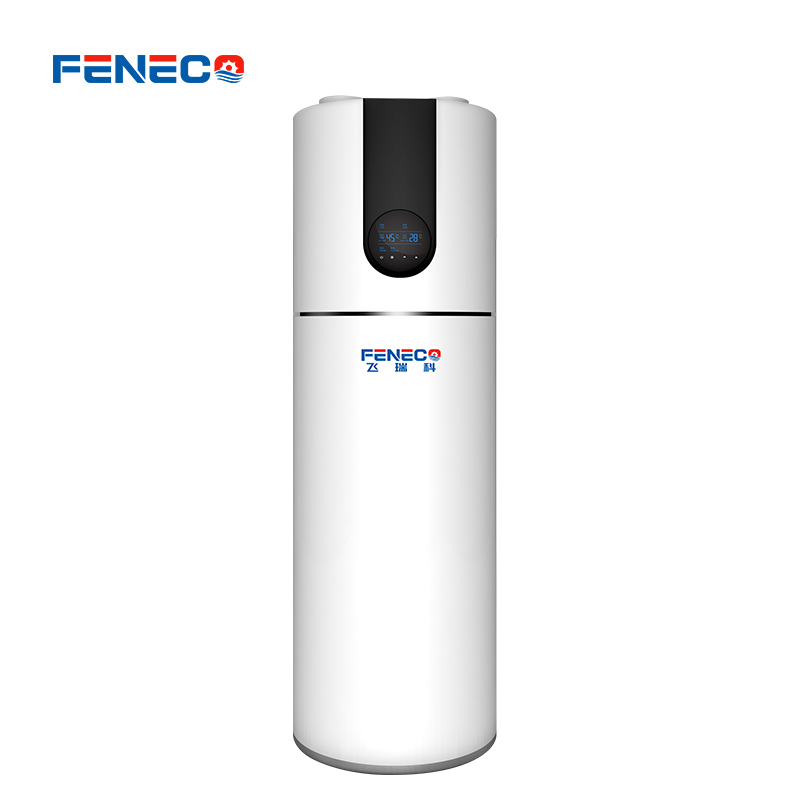
Hard water contains minerals that can accumulate inside the water heater. Over time, these deposits create scale that can clog the heat exchanger, reducing efficiency. By regularly descaling, you ensure that these minerals don’t build up and impede the unit’s performance. This helps maintain smooth water flow and ensures the heater operates effectively for years.
Descaling a tankless water heater ensures the heat exchanger can operate at full capacity. This improves water flow, prevents overheating, and keeps the system energy-efficient. When mineral deposits accumulate, the heater has to work harder, leading to higher energy consumption and potentially higher utility bills. Regular descaling ensures the system runs efficiently, saving both energy and money in the long run.
The hardness of your water directly impacts how often you need to descale. If your area has hard water, you may need to descale more frequently. In areas with soft water, once a year is typically sufficient. However, if you notice a drop in water pressure or performance, you may need to descale more often.
Many manufacturers suggest descaling at least once a year, especially if you use a lot of hot water. For homes with higher water usage or in regions with harder water, descaling every 6-9 months may be necessary. Always refer to the manufacturer’s guidelines for your specific water heater model.
| Water Hardness | Recommended Descaling Frequency |
|---|---|
| Soft Water | Once a year |
| Medium Hard Water | Every 6-9 months |
| Hard Water | Every 3-6 months |
Descaling your tankless water heater can be done yourself if you have the right tools and some plumbing experience. Doing it yourself saves money and gives you control over the maintenance schedule. However, it requires the correct materials and time commitment.
Pros:
Cost savings
Convenience if you have the required tools
Can be done on your own schedule
Cons:
Requires experience with plumbing equipment
Potential for damaging the unit if not done correctly
Risk of voiding the warranty if improper descaling occurs
If you are unsure about the descaling process or lack the necessary tools, hiring a professional may be the best choice. Professionals are trained to handle the descaling process efficiently and safely. They can also perform any additional maintenance, such as checking the system’s pressure relief valve or cleaning the pre-filter.
Neglecting to descale your tankless water heater can cause mineral buildup to erode the heat exchanger. Over time, this can lead to system malfunction, lower water flow, and even complete failure of the unit. The longer you wait, the more damage can occur.
Without regular descaling, your water heater will have to work harder to heat water, increasing energy consumption and your monthly utility bills. Mineral buildup can also restrict the water flow, making it harder to maintain your desired water temperature.
Descaling your tankless water heater is crucial for maintaining efficiency and extending its lifespan. Following the steps provided ensures smooth operation and prevents potential damage. Regular descaling helps maintain optimal performance, especially in areas with hard water. FENECO New Energy's products are designed to support efficient water heating systems, providing lasting value and reliable performance for your home or business.
A: Descaling a tankless water heater involves removing mineral buildup inside the unit, which improves efficiency and prevents damage.
A: It’s recommended to descale your water heater at least once a year, or more often if you have hard water or high water usage.
A: Descaling removes mineral deposits that can clog the heat exchanger, reducing efficiency and potentially damaging the system.
A: Yes, you can descale your water heater with the right tools and a descaling solution like white vinegar, following the proper steps.
A: Failure to descale may lead to mineral buildup, reduced water flow, and overheating, potentially causing permanent damage to the unit.


