

Views: 0 Author: Site Editor Publish Time: 2025-10-21 Origin: Site


Have you ever wondered how long it takes for your water heater to heat up? The time it takes for your water heater to get the job done is more important than you might think.
In this article, we’ll explore the factors affecting heating time and compare different water heater models. You’ll learn how to choose the best one for your needs and reduce waiting time.
The time it takes for a water heater to heat up depends on several factors. These include:
Type of Water Heater: Tank water heaters and tankless water heaters have vastly different heating times. Tank water heaters require time to heat and store the water, while tankless water heaters heat water on demand.
Size of the Heater: Larger tanks require more time to heat all the water. A 40-gallon tank will take much longer than a 20-gallon tank to reach the desired temperature.
Fuel Source: Gas heaters typically heat water faster than electric ones due to the efficiency of gas combustion compared to the slower heating process of electric elements.
Incoming Water Temperature: Water that enters the heater colder (such as in winter) will take longer to heat. In contrast, warmer incoming water (like in summer) shortens the heating time.
Heating Element Size: Larger elements or burners can heat the water more quickly by transferring more heat in a shorter period of time.
Water heaters vary in their heating speed based on type:
Tank Water Heaters: Typically take 30 minutes to 2 hours to heat up depending on size, fuel type, and incoming water temperature. For example, a 40-gallon electric water heater may take up to 80 minutes to heat, whereas a 40-gallon gas water heater will usually take about 30 minutes.
Tankless Water Heaters: Provide instant hot water on demand, heating water in just a few seconds. Because there’s no storage tank, water is heated as it flows through the unit. The speed of the heater’s response is nearly immediate.
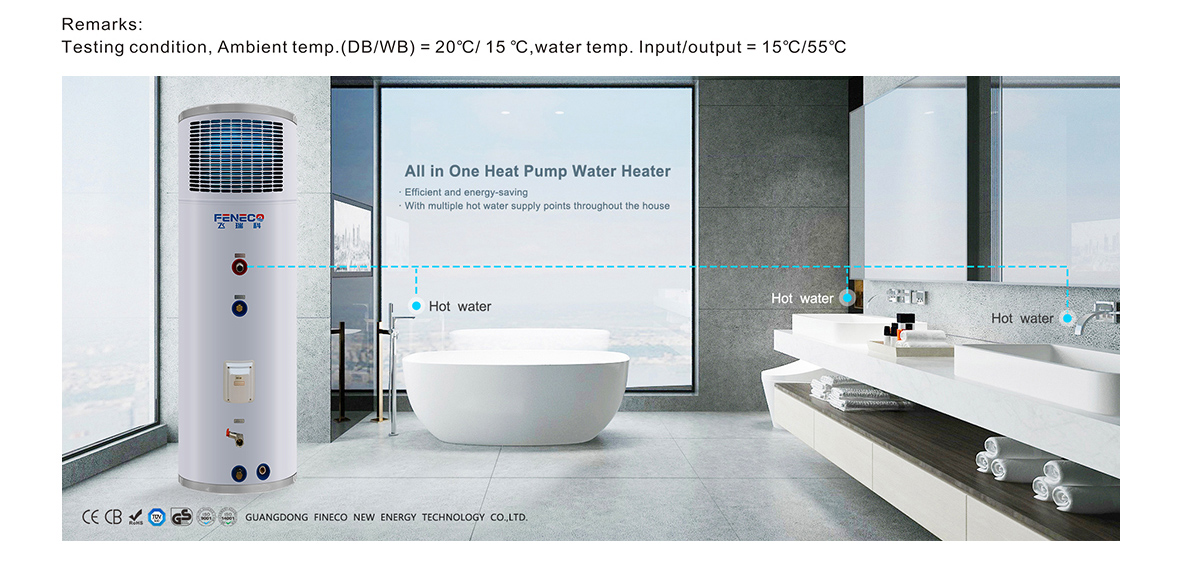
A tank water heater typically requires between 30 minutes to 2 hours to heat a full tank of water. The exact time depends on the size of the tank and other factors such as the water temperature entering the heater and the type of fuel used. Smaller tanks (e.g., 20-40 gallons) will heat up faster than larger ones (e.g., 60-100 gallons), but even within the same size, differences in fuel type and initial water temperature play a significant role.
For instance, a 40-gallon gas water heater may take 30-40 minutes to heat, while the same-sized electric water heater could take up to 80 minutes. Larger units, such as an 80-gallon electric heater, may need up to 2 hours to fully heat the water.
Several factors affect the time it takes for a tank water heater to reach the desired temperature:
Tank Size: The larger the tank, the more water it has to heat, leading to longer wait times. For example, an 80-gallon tank will take much longer than a 40-gallon tank to heat up completely.
Fuel Type: Gas water heaters generally heat faster than electric ones. Gas water heaters are more energy-efficient and heat water quickly due to the combustion process. Electric heaters use electric resistance, which heats more slowly.
Incoming Water Temperature: The temperature of the water entering your heater plays a crucial role. During colder months, when the water entering the heater is colder, the unit will require more time to heat the water to the desired temperature. For example, incoming water at 40°F will take much longer to heat than water coming in at 60°F.
If you notice that your water heater is consistently taking longer to heat water than it used to, or if you frequently run out of hot water, it may be time to consider upgrading. There are two key scenarios when upgrading becomes necessary:
When Your Family’s Hot Water Demand Increases: If your household's hot water usage has grown over time, it might be worth considering a larger tank or even a tankless water heater to meet your needs. A larger tank can handle greater water demand and reduce waiting time.
When Efficiency Declines: If your tank heater is old, it might have accumulated sediment at the bottom of the tank, reducing efficiency. In such cases, upgrading to a more energy-efficient model can significantly reduce heat-up time and improve overall performance.
Tankless water heaters, also known as on-demand water heaters, offer several advantages over traditional tank heaters:
No Wait for Hot Water: Tankless units heat water only when it’s needed. This eliminates the long waiting periods associated with traditional tank heaters, offering near-instant hot water as soon as you turn on the faucet or shower.
Energy Efficiency: Tankless water heaters are highly energy-efficient. They only use energy when heating water, unlike tank units, which continually use energy to maintain the water temperature.
Space-Saving: Without the need for a large tank, tankless water heaters take up less space and are ideal for homes with limited space.
Tankless water heaters provide instantaneous hot water. The moment cold water enters the unit, it is heated on demand by either a gas burner or an electric element. This process takes only seconds, making tankless units ideal for those who need immediate hot water.
However, the speed of the hot water depends on factors like the water heater’s capacity, the size of the household, and the water flow rate. While the heating process itself is fast, tankless units may struggle to supply enough hot water if multiple taps or showers are used simultaneously.
Pros:
Instant hot water, no need to wait.
Saves energy by heating water only when necessary.
No risk of running out of hot water since there’s no tank to empty.
Cons:
May struggle to meet high simultaneous demand in larger households.
Can be more expensive to install, especially if switching from a tank model.
May not be suitable for large households with multiple high-flow taps or showers running at the same time.
Gas-powered water heaters generally heat water faster than electric models. A typical 40-gallon gas water heater can heat water in 30-40 minutes. Gas heaters work by burning natural gas or propane to generate heat, which is then transferred to the water in the tank, making them quicker and more efficient than electric models.
Electric water heaters tend to take longer because the electric elements work by heating the water through resistance. While gas burners heat water directly with a flame, electric elements generate heat through electricity, which is a slower process. For a 40-gallon electric water heater, you can expect it to take 60-80 minutes to fully heat the water.
Deciding between a gas or electric water heater depends on several factors:
Energy Costs: Gas water heaters are typically cheaper to operate than electric ones, especially in regions where natural gas is inexpensive.
Installation and Maintenance: Electric heaters are generally easier and less expensive to install than gas heaters. However, gas water heaters require more frequent maintenance.
Heating Time: Gas heaters provide faster heating times, which may be critical if you have a high demand for hot water.
| Heater Type | Heating Time (40 Gallons) | Heating Time (80 Gallons) | Efficiency |
|---|---|---|---|
| Electric Water Heater | 60-80 minutes | 120 minutes | Lower efficiency |
| Gas Water Heater | 30-40 minutes | 60-70 minutes | Higher efficiency |
| Tankless Water Heater | Instant (seconds) | Instant (seconds) | Highest efficiency |
The temperature of the incoming water has a direct impact on how long it will take to heat up. In regions with colder climates, the incoming water temperature can be significantly lower, which increases the heating time. For instance, water entering the tank at 40°F will take much longer to heat than water entering at 60°F.
Setting your thermostat to a higher temperature will increase the time it takes to heat the water. However, excessively high settings can lead to wasted energy and may damage the heating elements over time. Most experts recommend setting the thermostat at around 120°F (49°C) for optimal balance between efficiency and safety.
Over time, sediment builds up at the bottom of the tank, especially in hard water areas. This sediment can reduce the efficiency of the heating elements, causing longer heating times. Regular maintenance, such as flushing the tank to remove sediment, can help keep your water heater functioning efficiently and reduce heating times.
If your water heater is taking too long to heat water, it could be a sign of a problem. Common issues include:
Sediment Build-Up: Over time, minerals from hard water settle at the bottom of the tank and interfere with heating efficiency.
Broken Heating Elements: Electric water heaters rely on heating elements to warm the water. If these elements are malfunctioning, it can significantly slow down the heating process.
Thermostat Issues: A faulty thermostat may prevent your heater from reaching the set temperature, leading to longer heating times.
Before calling a professional, you can try some basic maintenance to improve your water heater’s efficiency:
Check and Adjust the Thermostat: Ensure it’s set to the recommended temperature (120°F or 49°C).
Flush the Tank: Drain the tank annually to remove sediment build-up.
Inspect Heating Elements: For electric models, inspect the heating elements for signs of damage and replace them if needed.
If you’ve tried these fixes and your water heater is still taking too long to heat water, it may be time to call a professional. A plumber or technician can diagnose more complex issues, such as gas supply problems, faulty heating elements, or internal tank damage.
Choosing the right water heater depends on your household's needs. Tankless units provide instant hot water, but may not be suitable for large families. Tank heaters offer a steady supply but take longer to heat up. Regular maintenance, like flushing the tank and inspecting elements, enhances efficiency. FENECO New Energy's products deliver consistent value with reliable and energy-efficient water heaters for your home.
A: The time a water heater takes to heat up depends on its type and size. Tank water heaters typically take 30 minutes to 2 hours, while tankless water heaters provide instant hot water.
A: In winter, colder incoming water requires more time to reach the desired temperature, which increases heating time for both tank and tankless water heaters.
A: Regular maintenance, like flushing the tank and checking thermostat settings, helps improve heating efficiency and reduces wait times.
A: Gas water heaters generally heat water faster than electric ones. Gas heaters typically take 30-40 minutes, while electric models may take 60-80 minutes.
A: For optimal performance, it’s recommended to maintain your water heater annually. This includes flushing the tank, inspecting heating elements, and checking the thermostat.


